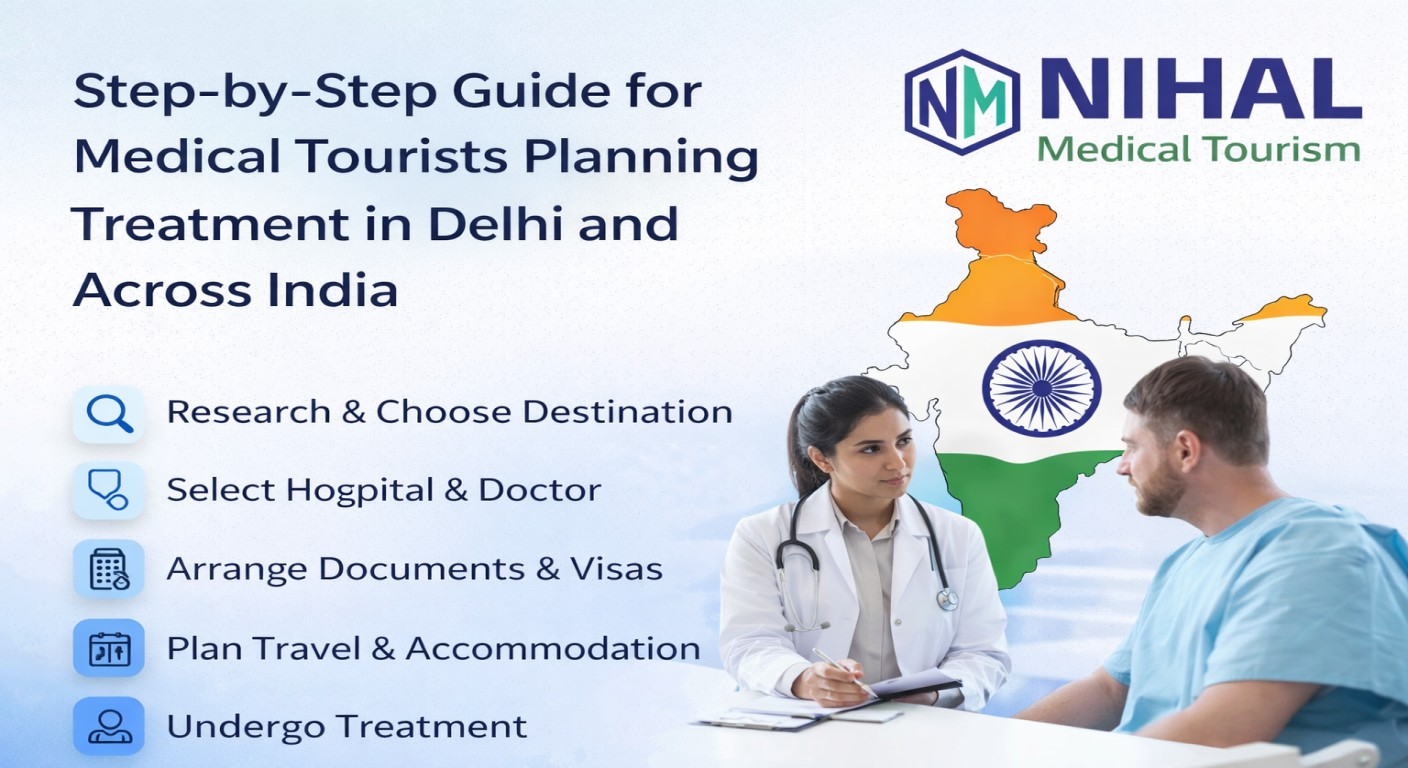
Step-by-Step Guide for Medical Tourists Planning Treatment in Delhi and Across India
Planning medical treatment abroad can feel overwhelming, especially when you are navigating a new country, healthcare system, and treatment process. However, with the right planning and expert guidance, medical tourism in India can be safe, affordable, and highly effective. India has become a leading global destination for advanced medical care, particularly in major healthcare hubs like Delhi and other metropolitan cities across India.
With the support of experienced facilitators like Nihal Medical Tourism, patients can access world-class hospitals, internationally trained doctors, and cost-effective treatments across multiple specialties. This step-by-step guide will help medical tourists understand how to plan treatment in Delhi and across top hospitals in India smoothly and confidently.
Why Choose India for Medical Treatment?
India offers a powerful combination of advanced medical technology, globally accredited hospitals, skilled doctors, and significantly lower treatment costs compared to many Western countries. Patients travel to India for procedures such as cardiac surgery, orthopedic surgery, organ transplants, cosmetic procedures, fertility treatments, and cancer care.
Delhi, in particular, is known for its multi-specialty hospitals, modern infrastructure, and accessibility through international flights. Many hospitals offer dedicated international patient departments, translators, and concierge services.
Step 1: Research Your Medical Condition and Treatment Options
Before planning travel, understand your diagnosis and available treatment options. Collect medical reports, prescriptions, scan results, and doctor recommendations from your home country.
Key things to research:
- Treatment success rates
- Hospital specialization
- Doctor experience
- Expected recovery time
- Cost comparison
Medical tourism facilitators help shortlist the best hospitals and specialists based on your condition and budget.
Step 2: Choose the Right Hospital and Doctor
Selecting the right hospital is one of the most critical steps. Delhi and other Indian cities offer internationally accredited hospitals with cutting-edge technology.
Consider:
- International accreditations (JCI, NABH)
- Doctor qualifications and experience
- Hospital infection control standards
- International patient support services
Facilitators usually arrange virtual consultations so patients can speak directly with doctors before traveling.
Step 3: Connect with a Medical Tourism Facilitator
Medical tourism facilitators simplify the entire journey. They coordinate between patients, hospitals, doctors, and travel services.
Services typically include:
- Treatment planning
- Cost estimation
- Visa assistance
- Hospital appointment scheduling
- Airport pickup and accommodation
- Interpreter services
Having professional support reduces stress and ensures smooth coordination.
Step 4: Get a Medical Visa
Most international patients require a medical visa to receive treatment in India. The application usually requires:
- Medical reports
- Hospital treatment confirmation
- Passport copy
- Visa application form
Medical visas are usually processed faster than regular tourist visas. Some patients may also qualify for e-medical visas depending on their country.
Step 5: Plan Travel and Accommodation
Once treatment is scheduled, patients should arrange flights and accommodation near the hospital.
Accommodation options include:
- Hospital guest houses
- Service apartments
- Budget to luxury hotels
Staying close to the hospital is recommended, especially during early recovery stages.
Step 6: Arrival and Hospital Admission Process
Upon arrival in Delhi or another treatment city, patients usually:
- Complete hospital registration
- Meet the treating doctor
- Undergo pre-treatment tests
- Finalize treatment schedule
Most top hospitals provide international help desks to guide patients through paperwork and admission procedures.
Step 7: Undergo Treatment and Hospital Stay
Treatment duration varies depending on the procedure. Hospitals in India follow international treatment protocols and patient safety standards.
During hospital stay:
- Patients receive continuous monitoring
- Family attendants may be allowed
- Diet and physiotherapy support is provided
Many hospitals also provide counseling and emotional support services.
Step 8: Recovery and Post-Treatment Care
Recovery may require hospital stay or outpatient follow-up visits. Patients should follow:
- Medication schedules
- Diet recommendations
- Physiotherapy sessions
- Doctor follow-up appointments
Many patients stay in India for a few extra weeks for complete recovery and monitoring.
Step 9: Plan Return Travel and Long-Term Follow-Up
Before returning home:
- Collect medical discharge summary
- Obtain fitness-to-fly certificate
- Take sufficient medications
- Get digital medical records
Most hospitals and facilitators offer teleconsultation follow-ups after patients return home.
Cost Advantages of Medical Treatment in India
One of the biggest reasons patients choose India is affordability. Treatments can cost 50–80% less compared to the US, UK, or Europe, while maintaining global quality standards.
Cost savings come from:
- Lower operational costs
- High patient volume expertise
- Government-supported medical infrastructure
Safety and Quality Standards
India has many internationally accredited hospitals with strict safety protocols. Many doctors are trained or have worked in the US, UK, Europe, or Australia.
Hospitals focus on:
- Infection control
- Advanced surgical technology
- Evidence-based treatment protocols
- Patient safety monitoring
Cultural Comfort and Hospitality
India is known for its hospitality and patient-friendly environment. Many hospitals offer:
- Multilingual support
- International cuisine options
- Religious and cultural accommodation
This makes international patients feel comfortable and supported during treatment.
Common Treatments Medical Tourists Seek in Delhi and India
Popular medical procedures include:
- Cardiac surgery
- Orthopedic and joint replacement
- Cancer treatment
- Cosmetic surgery
- Fertility treatments
- Organ transplant procedures
Delhi is particularly strong in cardiology, oncology, neurology, and organ transplant programs.
Final Thoughts
Planning medical treatment abroad may seem complex, but with proper guidance and step-by-step planning, it becomes a smooth and successful journey. India continues to grow as a trusted medical tourism destination due to its combination of affordability, quality care, and advanced medical infrastructure.
By choosing experienced facilitators, researching hospitals carefully, and preparing travel documents in advance, medical tourists can receive world-class treatment while saving significant costs.
For patients considering treatment the Top Hospitals in Delhi and across India, professional coordination ensures a stress-free experience—from the first consultation to post-treatment recovery and follow-up care.